Why EPIDIOLEX?
TSC results
Results for people living with tuberous sclerosis complex (TSC)
at age 3 | living with TSC

Seizure reduction study results in tuberous sclerosis complex (TSC)
EPIDIOLEX reduced the frequency of seizures in TSC by half
Reduction in TSC-associated seizures* over the 16-week treatment period.
EPIDIOLEX
25 mg/kg/day dose
In the placebo group

With EPIDIOLEX, freedom from seizures is possible for some
6% of people taking EPIDIOLEX achieved freedom from TSC-associated seizures (compared with 0% of people taking placebo).
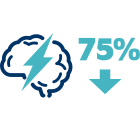
Substantial reduction in TSC seizures with EPIDIOLEX
More people reduced their TSC seizures by 75% or more with EPIDIOLEX 25 mg/kg/day (19%), compared with 0% of people taking placebo.
*TSC-associated seizures included different types of partial onset (focal) seizures and generalized seizures.

See real TSC stories from people in the EPIDIOLEX community
How was EPIDIOLEX studied in TSC?

More than 200 participants
More than 200 people with TSC took part in a clinical trial to determine if EPIDIOLEX reduced the rate of seizures associated with TSC.
After this trial was completed, almost all patients continued taking EPIDIOLEX as part of an extension of the study.

Included patients who failed on several medicines
People with TSC in the EPIDIOLEX clinical trial had typically failed on 4 prior antiseizure medicines.
These people were typically also taking 3 antiseizure medicines at the time, but their seizures were still uncontrolled.
Most common side effects
The most common side effects of EPIDIOLEX include increase in liver enzymes, sleepiness, decreased appetite, diarrhea, fever, vomiting, feeling very tired and weak, rash, sleep problems, and infections.
Real TSC stories from the EPIDIOLEX community

Meet Kelley (TSC)
Kelley is 26 years old and lives with TSC—but her great sense of humor defines her, in some ways more than her diagnosis. Since she started EPIDIOLEX, Kelley and her family have noticed fewer seizures, and have been able to share more laughs together.
“With fewer seizures, we can look to the future with hope and less of a ceiling to limit what’s possible.”


Meet Cammy (TSC)
At just 7 weeks old, Cammy started having seizures, eventually having one every 10 minutes, which led to her diagnosis of TSC. At age 2, she started on EPIDIOLEX. With reduced seizures, her personality can really shine and she’s learned to crawl, walk, and even started attending preschool.
“You know she’s going to be the best Cammy she can be and she’s proving that to us literally every single day.”


View the results of EPIDIOLEX in people living with TSC
View TSC results
Meet Kierstin (TSC)
Kierstin may come across as a typical 15-year-old girl, but she’s been living with a rare disorder called TSC since she was an infant. Since she started EPIDIOLEX, Kierstin has experienced fewer seizures and has more freedom to learn and look to the future with hope.
“When Kierstin’s seizures were bad, the whole family was on pins and needles. None of us could do our normal activities.”

Full playlist




Ready to talk to your doctor about EPIDIOLEX?
Common questions
In this study, the most common antiseizure medicines patients had taken, while also taking EPIDIOLEX, were valproate, vigabatrin, levetiracetam, and clobazam.
EPIDIOLEX has been used by families for over 7 years. 4 clinical studies have established the clinical efficacy of EPIDIOLEX. Some people who stayed on EPIDIOLEX after those initial studies joined an extension phase and experienced continued seizure reduction.
5 mg/kg/day as a starting dose.
25 mg/kg/day as a maintenance dose.

Want to hear more about EPIDIOLEX?
Hear Greg, a fellow caregiver, connect with a real doctor and a Nurse Navigator about EPIDIOLEX.
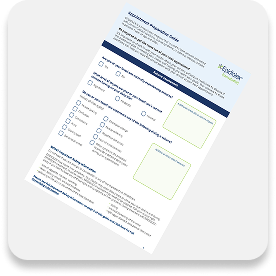
Ready to talk to your doctor about EPIDIOLEX?
Use the Appointment Preparation Tool to help you make the most of your next doctor's appointment.