Why EPIDIOLEX?
Dravet syndrome results
Results for people living with Dravet syndrome
at age 10 | living with Dravet syndrome

Seizure reduction study results in Dravet syndrome
Fewer seizures in people living with Dravet syndrome
EPIDIOLEX reduced convulsive seizures in people living with Dravet syndrome. Monthly convulsive-seizure* reduction over the 14-week treatment period.
EPIDIOLEX
20 mg/kg/day dose
In the placebo group

With EPIDIOLEX, freedom from convulsive seizures is possible for some
7% of people taking EPIDIOLEX 20 mg/kg/day (compared with 0% of people taking placebo) reported no convulsive seizures.†
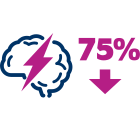
Nearly 2x more people living with Dravet syndrome saw a substantial reduction of 75% or greater
in their convulsive seizures with EPIDIOLEX 20 mg/kg/day (23%), compared with placebo (12%).
*Convulsive seizures include several seizure types: tonic, tonic-clonic, atonic, and clonic.
†During the 12-week maintenance period.

See real Dravet syndrome stories from people in the EPIDIOLEX community
How was EPIDIOLEX studied in Dravet syndrome?

More than 100 participants
120 children and young adults with Dravet syndrome took part in a clinical study on treatment using EPIDIOLEX.
Even after these trials were completed, the majority of participants continued taking EPIDIOLEX for more than a year.

Included patients who failed on several medicines
EPIDIOLEX clinical trials included people who had typically failed on 4-6 prior antiseizure medicines.
These people were typically also taking 3 antiseizure medicines at the time, but their seizures were still uncontrolled.
Most common side effects
The most common side effects of EPIDIOLEX include increase in liver enzymes, sleepiness, decreased appetite, diarrhea, fever, vomiting, feeling very tired and weak, rash, sleep problems, and infections.
Real Dravet syndrome stories from the EPIDIOLEX community

Meet Bobby (Dravet syndrome)
When Bobby was diagnosed with Dravet syndrome, doctors told Bobby’s mother that he wouldn’t live past his third birthday. Now, in his 40s, Bobby lives a life of support at a long-term care facility with less seizures thanks to EPIDIOLEX.
“The care that he gets here is wonderful. I know that he’ll always be safe at this facility and that there will always be a caregiver.”


Meet Zach (Dravet syndrome)
It took 20 years to get a Dravet syndrome diagnosis for Zach. Those years were frustrating—waiting for answers, waiting for relief, and waiting to grow up. Now, with EPIDIOLEX, Zach has seen a reduction in his seizures and has gained a little more independence.
“The Zach that I know is fun, happy…I really think he’s the happiest person I’ve ever met in my whole life.”


Meet Grace (Dravet syndrome)
There’s no better way to describe Grace than “amazing”—especially with her resilience. At just 5 years old, she was spending most of her life having close to 400 seizures a day with Dravet syndrome. Now, with EPIDIOLEX, Grace’s family notices fewer seizures and more smiles.
“She’s a little warrior. She’s been through so much—and she’s so happy. She always wants to play, she always wants to have fun. You know it’s her world and we’re just living in it.”


View the results of Epidiolex in people living with Dravet syndrome
View Dravet syndrome resultsFull playlist




Ready to talk to your doctor about EPIDIOLEX?
Common questions
Clobazam, valproate, and stiripentol.
10 mg/kg/day as a maintenance dose.
20 mg/kg/day as a maximum dose.
EPIDIOLEX has been used by families for over 7 years. 4 clinical studies have established the clinical efficacy of EPIDIOLEX. Some people who stayed on EPIDIOLEX after those initial studies joined an extension phase and experienced continued seizure reduction.

Want to hear more about EPIDIOLEX?
Hear Greg, a fellow caregiver, connect with a real doctor and a Nurse Navigator about EPIDIOLEX.
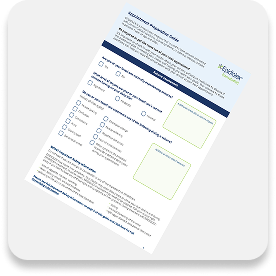
Ready to talk to your doctor about EPIDIOLEX?
Use the Appointment Preparation Tool to help you make the most of your next doctor's appointment.